EGDI Scientific Themes

Scientific themes

Explore EGDI scientific themes and find the right data faster

EGDI organises datasets, map layers and services into scientific themes to help users discover relevant European geological information efficiently. Use this page as a topic hub: start with a theme (e.g., GeoEnergy, Water Resources, or Mineral Resources), review the available layers and products, and then continue to the most relevant tools, such as the Map Viewer, Data Search, and the Metadata Catalogue.

How to use this hub (recommended workflow)

  1. Choose a theme that matches your goal (e.g., CO₂ storage/CCS, critical raw materials, aquifers and groundwater levels, or coastal hazards).
  2. Open related layers in the Geological Map Viewer for quick visual exploration.
  3. Use Data Search and the Metadata Catalogue to find structured datasets and validate methods, coverage and constraints before reuse.

Key cross-cutting themes for today’s challenges

Many EGDI themes support high-impact applications, including energy transition (GeoEnergy, geological storage), resource security (Mineral Resources, Critical Raw Materials), water resilience (Water Resources, groundwater recharge and levels) and risk management (Earth Observations and Geohazards, coastal flooding and sea level rise).
Our themes

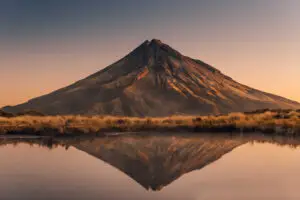
Mountain and its reflection in a lake at its feet.

Basic Geology

Multiscale space-related datasets and data products are the fundamental components of geological baseline information delivered by national geological survey organisations. These datasets and products show and explain the geological architecture of the surface and subsurface of the Earth’s crust.
Heavy machinery carrying out a survey.

Boreholes

EGDI contains data on different sets of boreholes. Currently a WMS services is available.
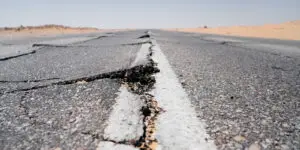
Road asphalt torn by ground movements.

Earth Observations and Geohazards

The systematic observation of the Earth’s surface and the monitoring of ground deformation allows the precise mapping and assessment of geohazards. Geohazards can have severe impacts on human lives and properties and may lead to serious socio-economic consequences.
Image of a person's hand harvesting spinach in a garden.

Geochemistry

Chemical elements are the Earth’s building blocks. Geochemistry is the study of the distribution and concentration of Earth’s elements.
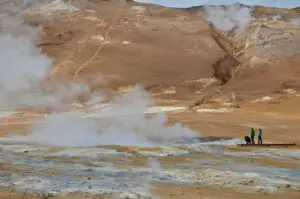
Volcanic area that houses a hot spring lake that is being photographed by several people.

GeoEnergy

Energy is vital to the functioning of our society. We need energy to heat our homes, to produce food, for transport, and much more. But energy consumption poses two major challenges. First, our huge dependency on fossil fuels. Second, domestic energy production is decreasing.
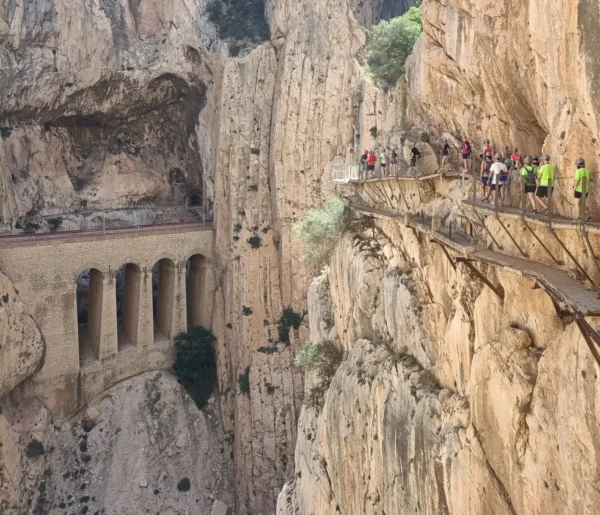
People strolling on a footbridge on a steep cliff. A route known as "El Caminito del Rey" in Málaga.

Geoheritage

Earth’s geological processes are happening around us all the time. The results are often distinctive geological sites (geosites) that can be unique, visually appealing or have scientific value.
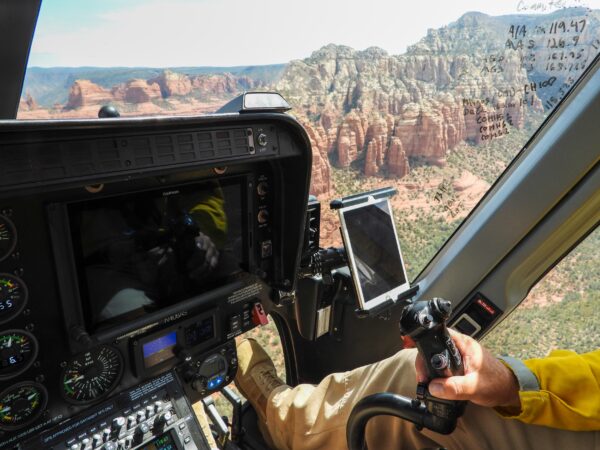
Spectacular landscape view from helicopter cabin.

Geophysics

Geophysics studies the Earth's interior using physical properties measured at or above its surface and produces mathematical models to predict those properties.
Rocky seabed illuminated by sunlight.

Marine Geology

About two-thirds of the Earth’s surface is covered by water. In line with this, Europe’s seas total about fifteen million square kilometres, fifty percent more than its land area.
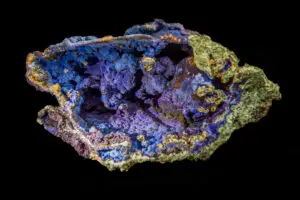
Spectacular fragment of multicolored mineral with lumpy shapes inside.

Mineral Resources

We live in a mineral-based world. It has been said that “if you can’t grow it, you have to mine it”. Indeed, virtually everything we use on a daily basis is manufactured from the Earth’s mineral resources. Mineral raw materials provide us with our basic needs – energy, infrastructure, transportation, technology and more.
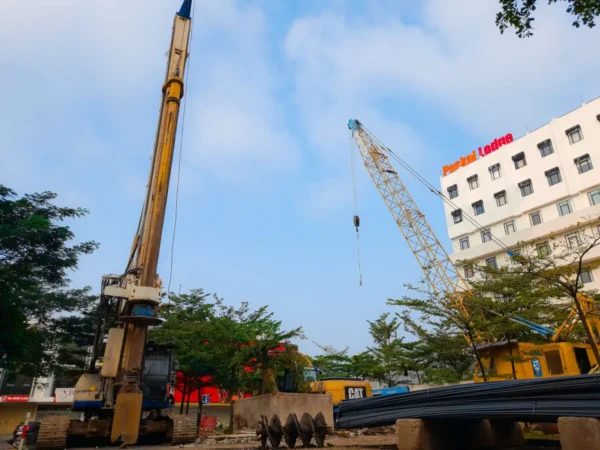
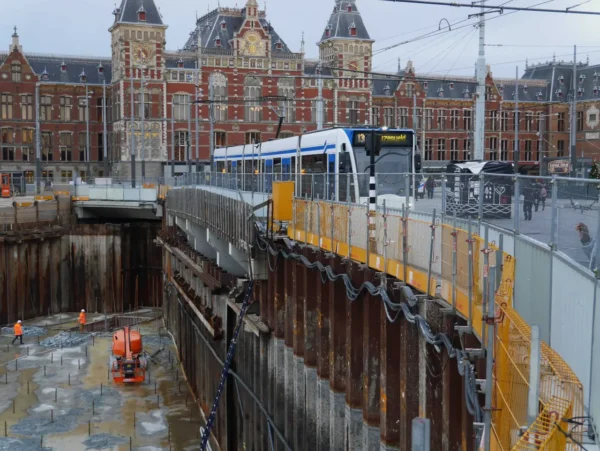
Risky deep foundation work near a historic building in a city.

Urban Geology

Geological and geotechnical information about the subsurface of cities are of paramount importance and of high socio-economic value for their development and the maintenance of critical infrastructure.
Water pipe

Water Resources

Groundwater, present almost every where beneath our feet, is by far (99%) the largest freshwater resource on earth. As rain falls, it recharge and continuously feeds, rivers, lakes, wetlands and coastal waters.